


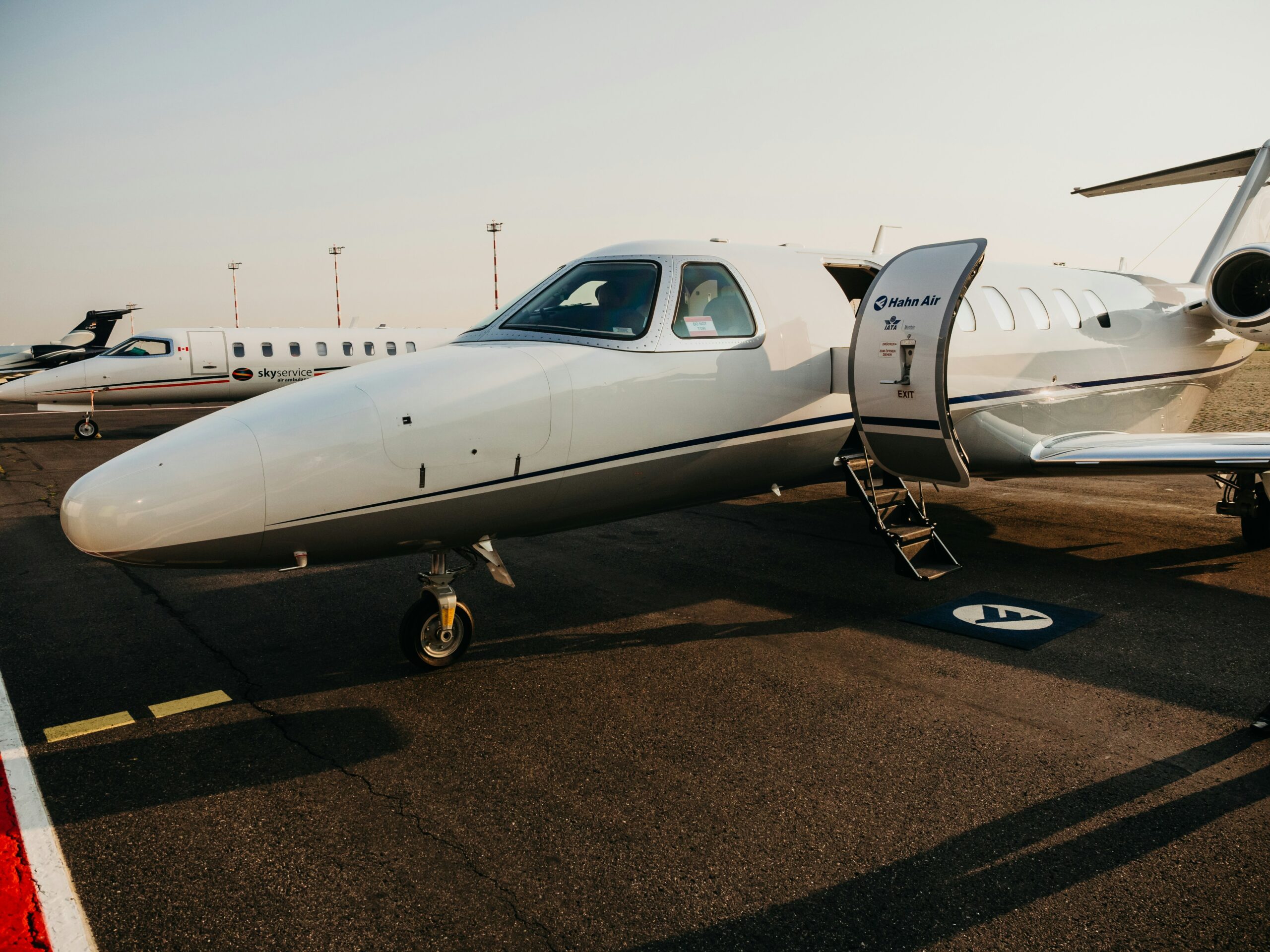
The landscape of international corporate travel has shifted from a luxury convenience to a fundamental strategic requirement for the modern global elite who operate in a world where time is the most valuable and non-renewable currency available. Navigating the complexities of cross-border commerce requires more than just a first-class ticket; it demands a level of operational fluidity and temporal sovereignty that can only be achieved through the sophisticated utilization of private aviation infrastructure.
As traditional commercial flight networks continue to struggle with systemic delays, fragmented itineraries, and diminishing service quality, the world’s most successful executives are turning toward bespoke air charter solutions to maintain their competitive edge and ensure their physical presence at high-stakes negotiations. This evolution in executive mobility is not merely about comfort or status, but about the surgical precision of reaching secondary and tertiary markets that remain inaccessible to large-scale commercial carriers, thereby placing decision-makers exactly where they need to be at the moment of maximum impact.
To master the art of private flight is to understand a multi-layered ecosystem involving specialized fleet management, rigorous safety protocols, and the artisanal craftsmanship of cabin environments designed to function as secure, high-speed boardrooms in the sky. As geopolitical shifts and emerging markets create new corridors of wealth and opportunity, the demand for long-range, ultra-efficient aircraft has surged, leading to a new era of aviation where sustainability and cutting-edge avionics go hand-in-hand with uncompromising luxury.
This transition toward a “private-first” travel philosophy allows for a level of mental clarity and physical well-being that is often eroded by the friction of public travel, ultimately protecting the intellectual capital of the world’s leading organizations. Understanding these trends requires a deep dive into the technical capabilities of modern jet categories, the financial nuances of charter versus ownership, and the personalized service models that define the current peak of the industry.
By committing to an elite air charter strategy, a professional effectively reclaims their schedule, transforming travel from a logistical hurdle into a seamless extension of their corporate headquarters and a powerful tool for global expansion.
The Operational Advantages of Private Flight

Private aviation offers a level of efficiency that commercial airlines simply cannot match due to their rigid hub-and-spoke models. For an executive, the ability to fly direct to a regional airport saves hours of ground transit.
A. On-demand scheduling allows for departures that align perfectly with the end of a meeting rather than the airline’s timetable. This flexibility prevents the wasted “dead time” typically spent in airport lounges or overnight hotel stays.
B. Rapid boarding protocols mean that passengers can arrive at the private terminal just fifteen minutes before takeoff. This streamlined process eliminates the need for long security queues and crowded gate areas.
C. Terminal proximity is a major factor, as private jets can utilize thousands of small airports worldwide that are closer to final destinations. This capability often saves several hours of driving through congested metropolitan traffic.
Strategic Aircraft Categorization for Global Missions
Selecting the right aircraft is a technical decision based on the specific requirements of the journey, including passenger count, total distance, and runway constraints. Each class of jet serves a distinct purpose in a comprehensive mobility plan.
A. Very Light Jets are ideal for short, regional hops between neighboring cities for a small team of three to four people. These aircraft are highly cost-effective and can land on shorter runways that larger planes must avoid.
B. Super-Midsize Jets represent the “sweet spot” for transcontinental travel, offering standing-room cabins and high-speed performance. They provide the necessary range to cross continents without the need for a refueling stop.
C. Ultra-Long-Range Jets are the flagships of the private fleet, capable of connecting global financial hubs like New York and Singapore non-stop. These aircraft feature multiple cabin zones, including dedicated spaces for dining, working, and resting.
The Financial Mechanics of Private Aviation
Engaging with private flight requires a sophisticated understanding of different acquisition and usage models. The choice between chartering, jet cards, or fractional ownership depends entirely on the user’s annual flight volume.
A. On-demand charter provides the most flexibility for those who fly less than fifty hours per year and do not want to commit to a long-term contract. It allows the user to select the specific aircraft type that best fits each individual trip.
B. Jet cards and memberships offer fixed hourly rates and guaranteed availability for a pre-paid balance of hours. This model is perfect for travelers who value cost predictability and simplified booking processes.
C. Fractional ownership involves purchasing a share of a specific aircraft, providing the benefits of ownership without the full capital expenditure. Owners are guaranteed access to the fleet with minimal notice, even during peak travel periods.
Cabin Engineering and Professional Productivity
The interior of a modern executive jet is designed to be a high-functioning workspace that maintains the same level of connectivity and security as a ground-based office. This environment is critical for maintaining workflow during long-haul transitions.
A. High-speed satellite connectivity ensures that video conferencing and data-intensive tasks remain seamless at forty-five thousand feet. This allows the executive team to remain fully engaged with their global operations in real-time.
B. Acoustic engineering and soundproofing technologies create a whisper-quiet cabin environment that reduces mental fatigue. Lower noise levels allow for effortless conversation and deep concentration without the distraction of engine roar.
C. Advanced air filtration and ionization systems continuously refresh the cabin air and remove pathogens. This technological focus on health ensures that passengers arrive at their destination feeling refreshed rather than drained by recycled air.
Safety Protocols and Institutional Trust
Safety remains the non-negotiable foundation of the private aviation industry, involving rigorous third-party audits and continuous pilot training. Leading operators adhere to standards that often exceed those of commercial airlines.
A. ARGUS and Wyvern ratings provide an independent assessment of an operator’s safety history and operational standards. Checking these certifications is a vital step in the due diligence process for any corporate flight department.
B. Dual-pilot operations are the standard for elite charters, ensuring that there is always a redundant level of human oversight in the cockpit. Pilots undergo regular simulator training to stay sharp on emergency procedures and new avionics.
C. Maintenance tracking software monitors every component of the aircraft in real-time to predict service needs before they occur. This proactive approach to mechanical health ensures the highest levels of dispatch reliability.
The Evolution of In-Flight Gastronomy
Dining in the sky has evolved into a bespoke culinary experience tailored to the dietary needs and cultural preferences of each passenger. This personalized service is a hallmark of the premium charter experience.
A. Sourcing from local artisanal producers allows for fresh, high-quality ingredients that are prepared just before the flight. Menus are often designed by world-class chefs who understand how taste perceptions change at high altitudes.
B. Specialized catering handles the logistical challenge of delivering restaurant-quality meals to the aircraft. Every dish is plated with precision, reflecting the high standards of the executive passenger.
C. Sommelier-curated beverage programs offer access to rare vintages and premium spirits during the flight. The glassware and service techniques are designed to mirror the experience of a five-star land-based establishment.
Geopolitical Trends Impacting Private Travel
The shift in global wealth and the rise of new economic corridors are directly influencing where and how private jets are utilized. Understanding these shifts is essential for planning long-term corporate expansion.
A. Emerging markets in Southeast Asia and the Middle East are seeing a surge in private aviation infrastructure development. New FBOs and dedicated private terminals are making these regions more accessible to the global business community.
B. Cross-border regulatory changes require expert navigation of overflight permits and landing rights. Professional flight planning teams manage these complexities to ensure a seamless transition between different airspaces.
C. Security considerations in volatile regions make private aviation a preferred choice for high-profile individuals. The ability to use secure, private terminals provides an additional layer of protection that commercial travel cannot offer.
Sustainability and Carbon Mitigation Strategies
The aviation industry is taking proactive steps to reduce its environmental footprint through technological innovation and the use of sustainable fuels. This commitment is becoming a core part of corporate social responsibility.
A. Sustainable Aviation Fuel (SAF) is increasingly available at major private terminals and can reduce life-cycle carbon emissions by up to eighty percent. Many operators now offer the option to fly exclusively using SAF blends.
B. Carbon offsetting programs allow passengers to neutralize the impact of their journey by investing in verified environmental projects. These programs are often integrated directly into the charter booking process for ease of use.
C. Next-generation aerodynamic designs and lighter composite materials are improving the fuel efficiency of new aircraft. These engineering breakthroughs ensure that the future of private flight is both high-performing and responsible.
The Role of Fixed Base Operators (FBOs)
The FBO is the ground-based anchor of the private jet experience, providing a transition zone that is as efficient and luxurious as the flight itself. These terminals are designed for speed, privacy, and professional service.
A. Private lounges and meeting rooms allow for last-minute briefings or quiet relaxation before the flight. These spaces are reserved exclusively for charter passengers and their guests, away from the public eye.
B. Ramp-side vehicle access enables passengers to be driven directly to the aircraft steps, minimizing the time spent in the terminal. This “car-to-plane” service is the ultimate expression of travel efficiency.
C. Specialized concierge services handle everything from ground transportation and hotel bookings to last-minute catering requests. Having a dedicated point of contact on the ground ensures that no detail is overlooked.
Global Asset Management and Depreciation
For those who choose full or fractional ownership, managing the aircraft as a financial asset is a critical task. Professional management companies oversee the maintenance and staffing to protect the vehicle’s residual value.
A. Asset depreciation schedules are managed to align with the owner’s tax strategy and long-term financial goals. Keeping the aircraft in “like-new” condition is essential for securing a high resale value on the secondary market.
B. Charter revenue programs allow owners to lease their aircraft to other users when it is not in use. This revenue helps offset the fixed costs of ownership, such as insurance, hangar fees, and crew salaries.
C. Continuous technical upgrades ensure the aircraft remains compliant with the latest avionics and communication regulations. Investing in these upgrades prevents the asset from becoming obsolete in a rapidly evolving market.
Integrating Aviation into the Corporate Lifestyle
The true power of private flight is realized when it is fully integrated into the daily operations of a global enterprise. It becomes more than a way to travel; it becomes a tool for building relationships and expanding influence.
A. Multi-city roadshows can be executed in a fraction of the time, allowing leadership to visit several offices or clients in a single day. This density of engagement is impossible with commercial flight schedules.
B. Client hosting on private aircraft provides a unique environment for building rapport and closing major deals. The exclusive nature of the experience reflects the value the company places on the relationship.
C. Crisis management capabilities are enhanced by the ability to deploy teams anywhere in the world at a moment’s notice. In an emergency, the speed of private aviation can be the difference between success and failure.
The Future of High-Speed Executive Mobility
We are entering an era where the boundaries of flight are being pushed by supersonic research and advanced vertical takeoff and landing (VTOL) technology. These innovations will further condense the global map.
A. Supersonic business jets are currently in development, promising to cut transatlantic flight times in half. This leap in speed will redefine the concept of a “day trip” for the world’s top executives.
B. Electric VTOL aircraft will eventually handle the “last mile” of the journey, ferrying passengers from the jet to their final urban destination. This integration will create an end-to-end seamless travel experience.
C. Artificial intelligence is being used to optimize flight paths and fuel consumption in real-time. These digital tools ensure that every mission is as efficient and smooth as possible.
Measuring the Return on Investment
The ROI of private aviation is measured not just in dollars, but in hours saved, opportunities captured, and the well-being of the leadership team. It is an investment in the most critical components of professional success.
A. Productivity gains are quantified by the number of working hours recovered during transit. When the cabin is a secure office, the time spent traveling is no longer lost time.
B. Strategic agility is the ability to respond to market changes faster than the competition. Being the first to arrive at a new opportunity provides a lasting advantage that is hard to quantify but easy to see.
C. Employee retention and well-being are supported by reducing the physical strain of frequent international travel. Protecting the health of top talent is a primary duty of any successful organization.
Conclusion

Executive air charter is a strategic business tool. It provides the sovereignty over time needed for success. Choosing the right jet category is a technical necessity. Safety protocols must always remain the highest priority. Cabin environments function as secure and efficient mobile offices. Global mobility is enhanced by avoiding commercial hub congestion.
Sustainability is the new standard for the aviation industry. Financial models allow for flexible access to elite fleets. Artisanal service models cater to every individual passenger’s needs. The future of flight will be faster and greener. Investing in private aviation is investing in corporate growth.