


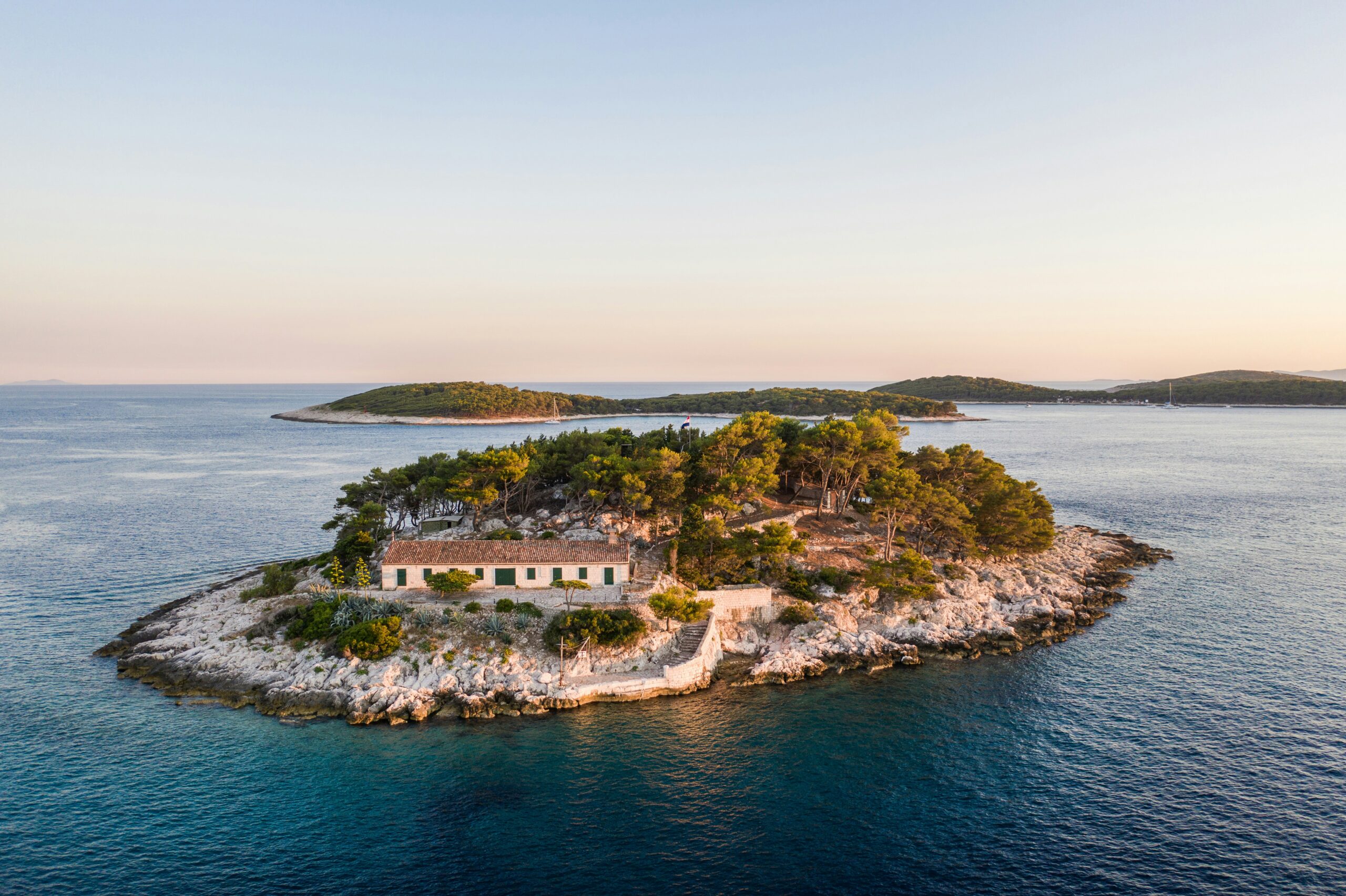
The concept of luxury travel has undergone a radical metamorphosis, moving away from the conventional opulence of five-star urban hotels toward the absolute seclusion and structural autonomy of private island villa rentals. In a world where digital connectivity is omnipresent and privacy has become the most coveted luxury commodity, the ability to physically disconnect from the mainland and retreat to a self-contained geographical sanctuary represents the peak of modern high-net-worth recreation.
These isolated paradises are no longer merely vacation spots; they are meticulously engineered ecosystems of artisanal hospitality, where every environmental variable is calibrated to match the specific physical and psychological requirements of the principal guest. From the turquoise lagoons of the South Pacific to the rugged, granite-fringed coastlines of the Seychelles, private island villas offer a level of temporal sovereignty that is mathematically impossible to achieve in a shared resort environment.
This transition toward “seclusion-first” travel necessitates a deep understanding of complex maritime logistics, bespoke architectural integration, and the deployment of elite “invisible” service teams who manage the island’s infrastructure without ever disrupting the guest’s sense of solitude. To secure a private island commission is to engage in a high-stakes dialogue between human desire and the raw beauty of the natural world, resulting in a temporary residency that functions as a secure, high-performance sanctuary for restoration or high-level strategic thinking.
As the global elite seek out deeper, more meaningful connections with their surroundings, the demand for islands that offer both ecological integrity and aerospace-grade amenities has surged, creating a specialized market where discretion and exclusivity are the primary currencies.
Understanding the nuances of island procurement, from the technical specifications of the landing strip to the sustainable desalination protocols that power the villa, is the first step toward claiming your own temporary piece of the earth’s most beautiful geography. This comprehensive exploration serves as a definitive resource for those seeking to navigate the exclusive landscape of private island rentals, ensuring that every choice reinforces a legacy of uncompromising quality and personal rejuvenation.
The Foundation of Geographical Sovereignty

True luxury in the modern age is defined by the absence of others and the total control over your immediate environment. Private island rentals provide a structural guarantee of privacy that cannot be replicated by any terrestrial estate.
A. Absolute perimeter security is a natural feature of island living, where the surrounding ocean acts as a permanent, liquid barrier against unauthorized intrusion. This allows for a level of physical freedom where the principal can move across the entire property without the need for a visible security detail.
B. Temporal sovereignty is the core benefit of island sequestration, as the guest dictates the rhythm of the entire ecosystem. There are no fixed schedules for dining, recreation, or staff interaction, allowing the body’s natural circadian rhythms to take over.
C. Custom-built arrival protocols involve private air or sea transfers that bypass all public transport hubs and commercial terminals. This ensure that the transition from the global financial centers to the island sanctuary is a seamless, zero-friction experience.
Strategic Selection of Island Topography
The geological makeup of a private island dictates the type of lifestyle it can support, from high-energy water sports to deep, meditative silence. Choosing the right topography is a technical decision that aligns with the guest’s specific mission profile.
A. Atoll islands in the Maldives or French Polynesia offer shallow, crystalline lagoons that are perfect for marine exploration and over-water villa architectures. These environments prioritize a visual connection with the ocean and offer some of the most stable tropical climates on the planet.
B. Granite and volcanic islands, such as those found in the Seychelles or the Caribbean, provide dramatic elevation changes and lush, jungle-clad peaks. These islands offer a sense of verticality and privacy, with villas often perched on cliff-sides to capture panoramic views.
C. Archipelago-based rentals allow for “island hopping” within a private network of smaller cays and sandbars. This provides a dynamic travel experience where the guest can move between different ecological zones while remaining within a single, secure jurisdiction.
Architectural Integration and Bespoke Design
The design of a private island villa must balance the requirements of high-end luxury with the environmental constraints of a remote maritime location. Modern island architecture focuses on “biophilic” integration, where the structure feels like a natural extension of the landscape.
A. Indoor-outdoor living spaces utilize retractable glass walls and open-air pavilions to eliminate the boundary between the sanctuary and the sea. This design philosophy maximizes natural ventilation and provides a constant sensory connection to the surrounding environment.
B. Sustainable materials such as ethically sourced teak, local volcanic stone, and recycled sea-glass are used to create a tactile sense of place. These materials are selected for their ability to withstand the corrosive effects of salt air while maintaining a refined aesthetic.
C. Smart-island technology allows the guest to control every aspect of the villa’s environment through a centralized digital interface. From lighting and acoustic profiles to the humidity levels in the wine cellar, the island responds to the guest’s preferences in real-time.
The Logistics of Island Self-Sufficiency
Operating a high-performance villa on a remote island requires a sophisticated mechanical infrastructure that functions silently in the background. Reliability is the non-negotiable standard for island engineering.
A. Desalination and water purification systems provide a continuous supply of fresh, mineral-balanced water from the surrounding ocean. These systems are often powered by integrated solar arrays to minimize the island’s ecological footprint.
B. Renewable energy microgrids utilize a combination of photovoltaic cells, wind turbines, and battery storage to ensure the villa remains operational 24 hours a day. This technical autonomy is essential for maintaining luxury amenities in locations far from the mainland power grid.
C. Waste-to-energy and advanced composting protocols ensure that the island’s ecosystem remains pristine and free from the impact of human residency. Managing the “circular economy” of the island is a primary responsibility of the management team.
Curation of Artisanal Hospitality Teams
The quality of an island stay is determined by the “invisible” service provided by a hand-picked team of hospitality professionals. These individuals are trained to anticipate needs before they are vocalized.
A. Private executive chefs are a standard feature, capable of sourcing the freshest local seafood and organic produce to create Michelin-level dining experiences. Every menu is a bespoke creation tailored to the guest’s specific nutritional goals and cultural tastes.
B. Dedicated wellness and longevity specialists, including yoga masters and spa therapists, provide a range of treatments designed to repair the effects of high-stress urban living. These services are often conducted in secluded, outdoor pavilions to enhance the therapeutic effect.
C. Marine and ecological guides are available to facilitate exploration of the surrounding reefs and forests. Their role is to provide deep insights into the island’s biodiversity while ensuring the safety of the guests during aquatic activities.
Maritime and Aerial Access Infrastructure
Securing a private island requires a robust plan for the movement of people and provisions. The quality of the landing facilities is a critical variable in the acquisition or rental process.
A. Private airstrips capable of handling turboprop or small jet aircraft provide the fastest and most discreet way to reach a remote island. Maintaining these strips to international aviation standards is a major part of the island’s operational budget.
B. Helipads integrated into the villa’s grounds allow for rapid transfers from larger mainland airports or nearby yachts. This flexibility is essential for guests who may need to move between locations on a tight schedule.
C. Deep-water piers and floating docks are necessary for the arrival of superyachts and supply vessels. These structures must be engineered to handle varying tides and sea conditions without compromising the aesthetic of the shoreline.
Security and Risk Management Protocols
When the principal is on an island, the security detail must operate with a balance of high-tech monitoring and physical discretion. A layered security strategy ensures that the “sanctuary” remains impenetrable.
A. Long-range thermal imaging and radar systems monitor the surrounding waters for any unauthorized vessels. This proactive surveillance allows the security team to identify and intercept potential issues long before they reach the island’s coast.
B. Secure communication networks, including encrypted satellite uplinks, ensure the principal remains connected to their global interests at all times. This digital fortress is essential for those who must maintain corporate oversight during their retreat.
C. Medical emergency protocols include the presence of on-site trauma kits and a direct line to aeromedical evacuation services. In the event of a health crisis, the island is equipped to provide stabilizing care until the patient can be moved to a mainland facility.
The Strategic Value of Island Sequestration
For the high-level executive, an island rental is more than a vacation; it is a strategic tool for mental recovery and long-term planning. The absence of noise and distraction allows for a type of deep work that is impossible in an urban setting.
A. Cognitive restoration is facilitated by the “blue space” effect, where proximity to water reduces cortisol levels and enhances creative thinking. This psychological reset is a primary driver of the demand for private island rentals.
B. Strategic retreats for small leadership teams allow for intense, focused collaboration in a secure environment. Away from the pressures of the office, teams can tackle complex challenges and align on future goals with absolute clarity.
C. Legacy building through family sequestration provides an opportunity for the global elite to reconnect with their heirs away from the distractions of the digital world. These shared experiences are the foundation of a multi-generational family identity.
Environmental Stewardship and Conservation
The modern island renter is often an advocate for environmental preservation. Elite islands are now marketed as much for their conservation efforts as for their luxury amenities.
A. Reef restoration programs allow guests to participate in the planting of coral nurseries, contributing directly to the health of the ocean. This “active conservation” adds a layer of meaning to the luxury experience.
B. Wildlife sanctuaries on the island protect endangered species, from nesting sea turtles to rare tropical birds. Managing these habitats requires a dedicated team of biologists and environmental scientists.
C. Plastic-free initiatives and carbon-neutral operations are now a standard expectation for premium rentals. The goal is to ensure that the guest leaves the island exactly as they found it, or in a better ecological state.
Navigating the International Rental Market
Acquiring a temporary residency on a private island involves a complex set of contracts and legal due diligence. Professional intermediaries are essential for navigating this exclusive market.
A. Discretion and non-disclosure agreements (NDAs) are the foundation of every private island transaction. Protecting the identity of the guest and the details of their stay is the primary responsibility of the broker.
B. All-inclusive vs. plus-expenses billing models must be clearly understood before the commission begins. Most elite islands operate on a “buyout” basis, where the guest pays a single fee for total control of the property.
C. Force majeure and weather-related insurance protect the guest against the financial risks of tropical storms or logistical disruptions. These policies are a vital part of the risk management strategy for high-value rentals.
The Role of Technology in Invisible Service
Advanced digital tools are used to ensure that the guest’s needs are met without the presence of visible staff. This “magic” service is the hallmark of a world-class island operation.
A. Wearable device integration allows the staff to monitor the guest’s location and status from a distance. If a guest moves toward the beach, a cold drink and a fresh towel can be placed there minutes before they arrive.
B. AI-driven preference mapping tracks the guest’s past choices to predict future needs. If a guest preferred a certain type of fruit or music during a previous stay, it will be the default setting for their next arrival.
C. Digital concierge apps provide a direct, encrypted line of communication between the guest and the island manager. This allows for requests to be made instantly without the need for a physical meeting.
Culinary Arts and Island Provisioning
Dining on a private island is a masterclass in logistics, as every ingredient must be flown or shipped in with absolute precision. The result is a culinary experience that is both global in scale and local in flavor.
A. Daily provision flights bring in specialty items from the world’s major food markets, ensuring that the guest has access to the same quality of ingredients as they would in London or Tokyo.
B. “Dock-to-table” seafood is harvested by local fishermen just hours before it is served, providing a level of freshness that is impossible to achieve on the mainland.
C. Private wine cellars and spirit collections are curated to match the specific tastes of the guest. Many islands will stock a particular vintage or brand months before the guest’s arrival to ensure availability.
Conclusion

Private island rentals are the ultimate expression of luxury. They deliver a level of privacy that is physically impossible elsewhere. Strategic topography selection ensures the island matches your mission. Bespoke architecture creates a seamless link with the natural world. Independent infrastructure is the silent heart of every elite island.
Artisanal staff provide a level of service that is effectively invisible. Maritime and aerial facilities must meet global safety standards. Security protocols maintain a permanent bubble of tranquility. Island sequestration is a powerful tool for cognitive restoration.
Sustainability and conservation are now core parts of the island identity. Professional brokers are the gatekeepers to this exclusive world. Your time on the island is a legacy of peace and rejuvenation. Claiming your sanctuary is the final step in luxury travel.