


The paradigm of global mobility has undergone a radical transformation, shifting from the standardized experience of commercial first-class travel to the highly personalized and operationally efficient realm of private aviation. For the ultra-high-net-worth individual, corporate entity, or discerning traveler, the decision to integrate private jet solutions into their lifestyle is not merely a statement of prestige but a strategic commitment to temporal sovereignty and logistical fluidity.
Navigating the multifaceted landscape of the private aviation industry requires a sophisticated understanding of various entry points, ranging from full aircraft ownership and fractional shares to jet card memberships and bespoke on-demand charter services.
As global business environments become increasingly volatile and the value of time continues to escalate, the ability to bypass congested commercial hubs and utilize thousands of secondary airports closer to one’s final destination has become a critical competitive advantage. This guide delves into the intricate mechanics of aircraft selection, the nuances of operational management, and the financial implications of different acquisition models to provide a comprehensive framework for elite travel.
By exploring the latest advancements in long-range avionics, cabin comfort engineering, and sustainable aviation fuel initiatives, we aim to equip you with the insights necessary to make an informed investment in your personal and professional mobility. The journey toward seamless, boundaryless travel is built upon a foundation of rigorous safety standards, expert crew management, and an unwavering dedication to artisanal cabin craftsmanship that reflects the unique identity of the passenger.
Whether you are seeking to enhance corporate productivity by facilitating rapid multi-city itineraries or looking to secure private family retreats with total discretion, understanding the elite private jet ecosystem is the first step toward reclaiming control over your most valuable asset: your time.
The Strategic Value of Private Aviation

In the high-stakes world of international commerce, the ability to control your schedule is a fundamental requirement for maintaining operational excellence. Private aviation provides the infrastructure needed to execute complex itineraries that are physically impossible using commercial networks.
A. Time compression is the primary benefit, as passengers can arrive at the terminal just minutes before departure and clear customs in a fraction of the time. This efficiency allows for same-day return trips that preserve both mental energy and physical well-being.
B. Total privacy and security enable sensitive business discussions to take place mid-flight without the risk of industrial espionage. The cabin serves as a secure extension of the boardroom, equipped with high-speed satellite connectivity and encrypted communication systems.
C. Direct access to remote locations is facilitated by the superior short-field performance of modern private jets. This capability opens up thousands of regional airports that are inaccessible to large commercial airliners, placing you closer to your final meeting or residence.
Navigating the Spectrum of Ownership Models
Selecting the right way to access private travel depends entirely on your annual flight hours and the specific mission requirements of your typical journeys. There is no one-size-fits-all solution in the world of elite aviation.
A. Full aircraft ownership represents the pinnacle of control, allowing for total customization of the interior and absolute availability of the tail. This model is generally recommended for those flying more than 200 hours per year who require a consistent and dedicated flight crew.
B. Fractional ownership provides the benefits of a dedicated fleet without the full capital expenditure of a single aircraft. You purchase a share of a specific tail type, ensuring a guaranteed response time and a predictable cost structure based on your usage.
C. Jet card programs and memberships offer a “pay-as-you-go” approach with fixed hourly rates and no long-term commitment. This is an ideal entry point for individuals who fly between 25 and 50 hours annually and value the simplicity of a pre-paid balance.
Advanced Aircraft Categorization and Selection
Understanding the capabilities of different aircraft classes is essential for matching the right tool to your specific travel needs. Each category offers a unique balance of range, speed, and cabin volume.
A. Very Light Jets and Light Jets are perfect for short-haul regional hops, typically seating four to seven passengers. They offer the lowest operating costs and can access very small runways, making them the ultimate “air taxis” for quick business trips.
B. Midsize and Super-Midsize Jets provide a significant upgrade in standing cabin room and transcontinental range. These aircraft often feature full galleys and enclosed lavatories, providing a much higher level of comfort for four-to-six-hour flights.
C. Heavy Jets and Ultra-Long-Range Jets are the flagships of the industry, capable of non-stop travel between continents. With multiple cabin zones for dining, working, and sleeping, these machines are designed to neutralize the effects of jet lag on global itineraries.
The Mechanics of Aircraft Management
Owning an aircraft is a complex undertaking that requires a team of professionals to handle maintenance, staffing, and regulatory compliance. Most owners utilize a specialized management company to oversee these daily operations.
A. Crew recruitment and training ensure that your pilots and flight attendants meet the highest standards of safety and service. Management firms often provide access to a larger pool of backup crew to ensure your aircraft is never grounded due to staffing issues.
B. Maintenance tracking and technical oversight are critical for preserving the residual value of the aircraft asset. Every flight hour must be meticulously logged, and all service bulletins must be addressed by certified master technicians.
C. Charter revenue offset allows owners to lease their aircraft to third parties when it is not in use. This strategy can significantly reduce the fixed costs of ownership, such as hangar fees and insurance premiums, without compromising the owner’s primary access.
Interior Bespoke Craftsmanship and Design
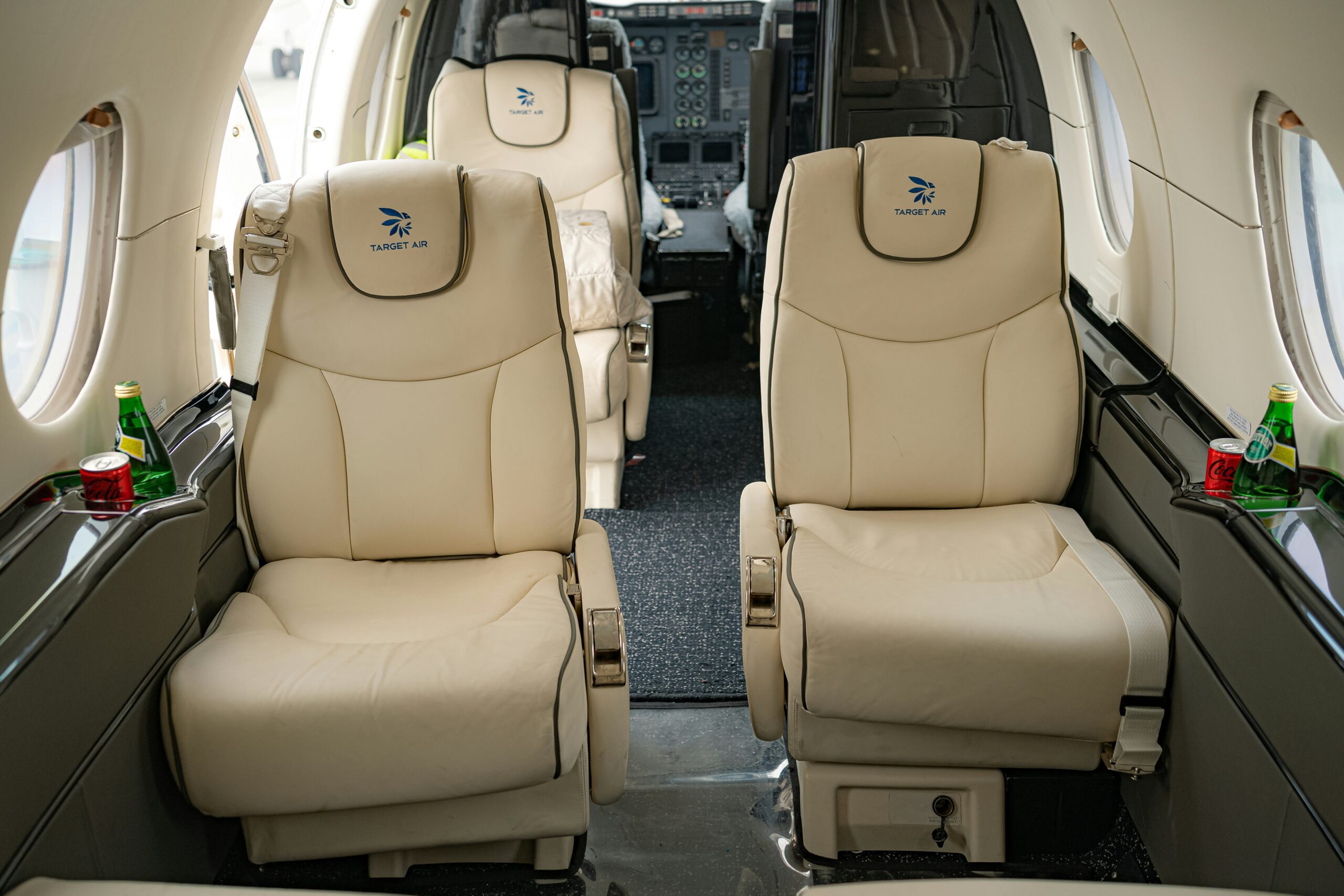
The cabin of a private jet is a sanctuary where artisanal design meets cutting-edge aerospace technology. Customizing this space allows the owner to create an environment that reflects their personal taste and functional requirements.
A. Materials and finishes are selected for both their aesthetic beauty and their fire-resistant properties. From hand-woven silk carpets to rare wood veneers, every surface is a testament to the pursuit of luxury and safety.
B. Ergonomic seating and berthing allow for deep restorative rest during long-haul missions. Many modern cabins feature seats that convert into full-flat beds, ensuring passengers arrive at their destination refreshed and ready for work.
C. Environmental control systems manage cabin altitude, humidity, and air filtration to reduce physical fatigue. Lower cabin altitudes mean the body absorbs more oxygen, which is the key to preventing the exhaustion typically associated with air travel.
Financial Management and Asset Depreciation
A private jet is a significant capital asset that requires a sophisticated financial strategy to manage depreciation and tax implications. Professional advisors are essential for navigating the fiscal complexities of aviation.
A. Tax depreciation schedules, such as accelerated depreciation in certain jurisdictions, can provide substantial benefits for business-use aircraft. Proper documentation is required to prove that the aircraft is a necessary tool for corporate operations.
B. Residual value protection involves maintaining the aircraft to a standard that ensures a competitive price on the secondary market. Factors like exterior paint condition and interior wear play a major role in the final resale value.
C. Financing and leasing options provide flexibility for those who prefer to keep their capital deployed in other areas of their business. Specialized aviation lenders offer tailored products that account for the unique lifecycle of flight assets.
Safety Protocols and Risk Mitigation
Safety is the non-negotiable foundation of the private aviation industry. Leading operators go far beyond the minimum regulatory requirements to implement advanced risk management systems.
A. IS-BAO and ARGUS ratings provide a third-party audit of an operator’s safety culture and operational history. Checking these ratings is a vital step for any traveler before booking a charter or joining a program.
B. Advanced avionics suites, including synthetic vision and enhanced ground proximity warning systems, provide pilots with superior situational awareness. These technologies are the primary reason private aviation has reached such high levels of reliability.
C. Continuous pilot training in full-motion simulators ensures that the flight crew is prepared for any emergency scenario. Regular proficiency checks are a standard requirement for maintaining an elite safety record.
The Future of Sustainable Private Flight
The industry is proactively addressing its environmental impact through the development of new technologies and carbon-offsetting initiatives. Sustainability is becoming a core consideration for the modern private jet traveler.
A. Sustainable Aviation Fuel is a drop-in replacement for traditional jet fuel that can reduce life-cycle carbon emissions by up to 80 percent. Increasing the availability and use of this fuel is a major priority for the global aviation community.
B. Hybrid and electric propulsion systems are currently in development for short-haul and urban air mobility. While still in the early stages, these technologies promise a future of quiet, zero-emission regional travel.
C. Carbon-neutral flight programs allow passengers to calculate the footprint of their journey and invest in verified environmental projects. This transparency is essential for aligning private travel with broader corporate social responsibility goals.
Logistics and Ground Infrastructure
The private jet experience begins and ends long before the aircraft takes off. Elite ground infrastructure, known as Fixed Base Operators (FBOs), provides the seamless transition between the road and the sky.
A. Private terminal facilities offer discreet lounges, conference rooms, and concierge services. These spaces are designed to provide a calm environment where travelers can wait for their flight in total privacy.
B. Ramp-side vehicle access allows passengers to be driven directly to the aircraft stairs, minimizing exposure and time spent in the terminal. This is a hallmark of the premium private aviation experience.
C. Global handling networks coordinate every aspect of the journey, from fueling and catering to ground transportation at the destination. Having a dedicated point of contact ensures that all logistics are synchronized.
The Art of In-Flight Dining and Service
Catering on a private jet is a bespoke culinary experience that rivals the world’s finest restaurants. Every meal is tailored to the dietary preferences and cultural requirements of the individual passenger.
A. Sourcing from local artisanal producers ensures that the ingredients are of the highest possible quality. Chefs often prepare meals that are specifically designed to be enjoyed at high altitudes, where the sense of taste is slightly diminished.
B. Professional flight attendants are trained in the art of five-star service and safety management. Their role is to anticipate every need of the passenger while ensuring the cabin remains a secure environment.
C. Wine and beverage programs feature rare vintages and premium spirits curated by expert sommeliers. The glassware and plating are also selected to reflect the luxury nature of the journey.
Strategic Itinerary Planning and Dispatch
The success of a private flight depends on the silent work of the dispatch and flight planning team. They navigate the complexities of weather, air traffic control, and international overflight permits.
A. Real-time weather monitoring allows for proactive route adjustments to avoid turbulence and delays. This ensures a smoother flight and more predictable arrival times for the passenger.
B. Slot management and permit acquisition are essential for accessing busy airports like London or Teterboro. Professional dispatchers have the relationships and expertise to secure these vital windows.
C. Contingency planning provides the backup solutions needed in case of mechanical issues or unexpected weather closures. A resilient operation always has a “Plan B” ready to ensure the passenger reaches their destination.
Private Aviation as a Productivity Multiplier
Ultimately, private aviation is a tool for those who recognize that their presence is their most powerful asset. By removing the friction of travel, it allows leaders to show up at their best.
A. Reduced travel fatigue means that you can step off the plane and go directly into a high-stakes negotiation. The physical and mental energy saved by private travel is a significant advantage.
B. Family and lifestyle integration allows for more time spent with loved ones, even during intense business cycles. Private jets make it possible to attend a morning meeting in New York and be home for dinner in Florida.
C. The “office in the sky” concept is fully realized with ultra-high-speed internet and seamless device integration. Productivity never stops, even when traveling at 45,000 feet.
Conclusion

Elite private travel is the ultimate investment in freedom. You must prioritize safety and operational excellence above all else. Choosing the right ownership model depends on your specific flight hours. Advanced aircraft categories offer a range of solutions for every mission.
Professional management is the key to preserving your aviation assets. Sustainable initiatives are shaping the future of the private flight industry. The cabin environment is a sanctuary for both productivity and rest. Logistical precision ensures a seamless experience from door to door. Every detail of the journey is curated to your exact specifications. Private aviation remains the gold standard for global mobility. Reclaiming your time is the most significant return on investment.