


The metamorphosis of the global hospitality sector has led to the emergence of a highly specialized niche where the traditional definitions of luxury are being systematically deconstructed and replaced by the concept of bespoke architectural and service intimacy.
For the modern high-net-worth traveler, the allure of massive, standardized five-star hotel chains has been superseded by a profound desire for boutique environments that offer a structural reflection of their own personal values and aesthetic preferences.
Navigating this elite landscape requires a sophisticated understanding of how small-scale properties leverage their physical constraints to create expansive, deeply personalized guest experiences that are mathematically impossible to replicate in high-volume settings. These boutique sanctuaries are meticulously engineered to function as seamless extensions of a traveler’s private lifestyle, integrating aerospace-grade privacy protocols, artisanal culinary programs, and biophilic design principles that foster a visceral connection to the local geography.
As we witness a seismic shift in consumer behavior toward “meaningful sequestration,” the demand for resorts that offer a unique narrative thread—ranging from restored historical palazzos to hyper-modern sustainable hideaways—has created a robust market for properties that prioritize quality of engagement over sheer room count.
To successfully secure a residency in one of these premier locations, one must look beyond the glossy marketing materials and instead analyze the operational DNA of the resort, including its ratio of staff to guests, its commitment to local ecological stewardship, and its ability to provide “invisible” service that anticipates needs before they are ever vocalized.
This transition toward professionalized boutique management represents the pinnacle of contemporary travel, where the hospitality provider acts as a sophisticated curator of time, space, and sensory input. By exploring the structural pillars that define a top-tier bespoke resort, from the technical specifications of its wellness infrastructure to the logistical precision of its private arrival services, we can begin to appreciate the immense industrial effort required to produce a moment of pure, uninterrupted tranquility.
This comprehensive guide is designed to serve as a definitive framework for those seeking to invest their time and capital in the world’s most exclusive boutique destinations, ensuring that every stay reinforces a legacy of personal restoration and intellectual clarity.
The Structural Philosophy of Boutique Intimacy

The primary differentiator of a bespoke boutique resort is its commitment to a limited guest capacity, which serves as the fundamental catalyst for high-touch personalization. By restricting the number of keys, the property can dedicate an unprecedented amount of resources to each individual mission profile.
A. Hyper-personalized guest profiling allows the resort to calibrate every environmental variable, from the specific acoustic profile of the suite to the pH balance of the bathing water. This level of detail ensures that the physical space responds to the guest’s biological and psychological requirements in real-time.
B. The “Invisible Staff” model is a hallmark of elite boutique operations, where service is delivered with surgical precision and total discretion. Guests often feel as though they are in a private residence, with their needs met by a team that remains almost entirely out of sight until required.
C. Architectural uniqueness ensures that no two rooms are identical, providing a sense of discovery and personal ownership over the space. Each suite is often curated with original artworks, rare textiles, and bespoke furniture that reflect the artisanal heritage of the surrounding region.
Strategic Selection of Remote Geographical Nodes
Top-tier boutique resorts are frequently located in geographical enclaves that are inaccessible to larger commercial developments due to environmental regulations or terrain complexity. This isolation is a strategic asset that guarantees the exclusivity of the guest experience.
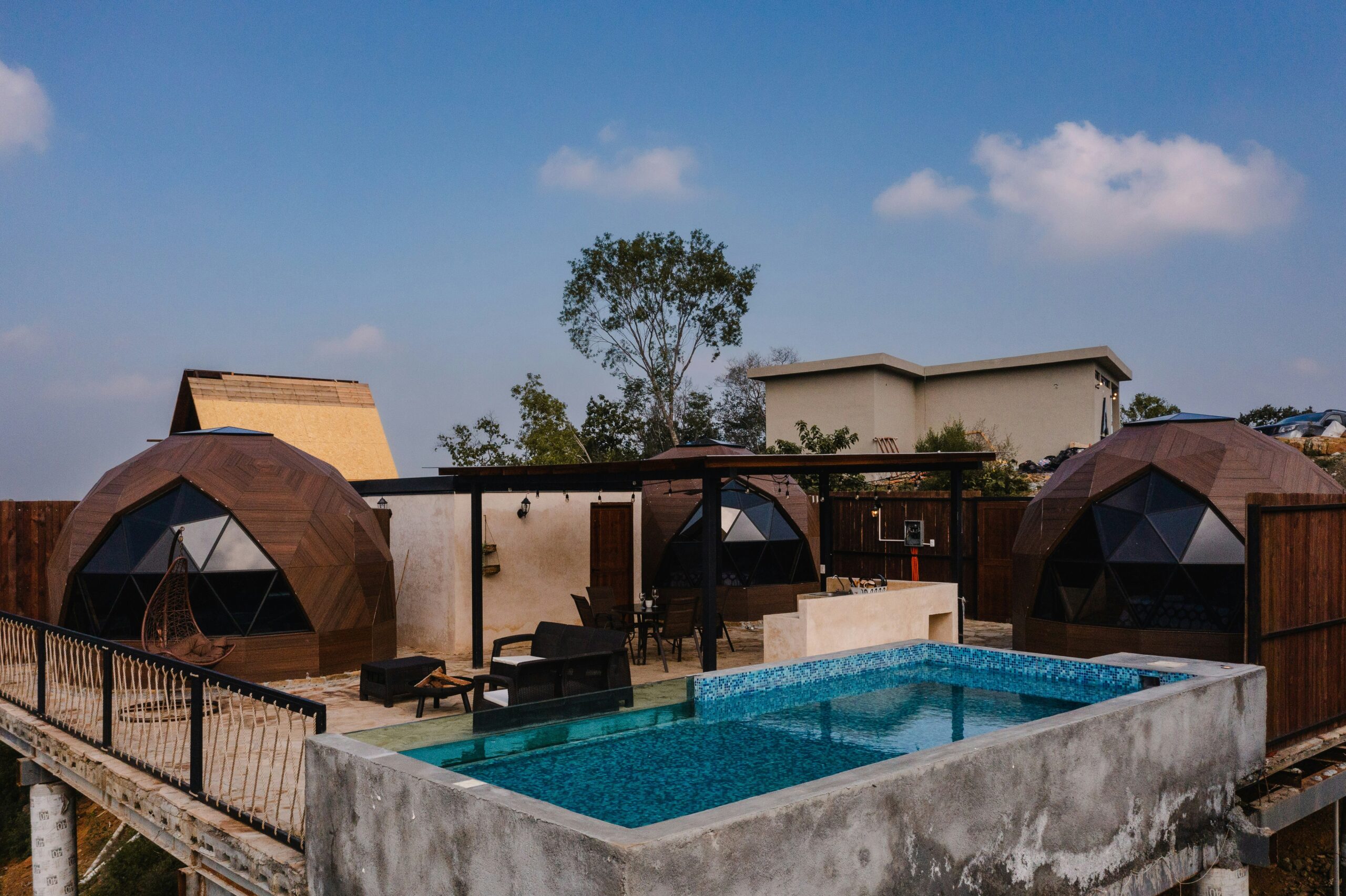
A. Cliffside and mountain-integrated villas offer dramatic verticality and unobstructed panoramic views that foster a sense of psychological expansiveness. These properties require advanced structural engineering to blend the man-made environment with the raw, rugged beauty of the natural landscape.
B. Private coastal lagoons provide a liquid perimeter that naturally secures the property from external intrusion while offering direct access to marine biodiversity. The management of these aquatic ecosystems is often handled by on-site marine biologists who curate private exploration missions for the guests.
C. Historical restoration projects in urban or rural settings allow travelers to inhabit a piece of industrial or aristocratic history. These resorts utilize specialized conservationists to ensure that modern luxury amenities are integrated without compromising the historical integrity of the structure.
The Mechanics of Bespoke Culinary Curation
In a bespoke environment, dining is elevated from a mere amenity to a personalized culinary journey that reflects the guest’s specific nutritional goals and epicurean tastes. The kitchen functions as a laboratory of artisanal flavor and local sourcing.
A. The “Garden-to-Table” philosophy is executed with extreme precision, often utilizing the resort’s own organic farms or partnerships with local micro-producers. This ensures that every ingredient is harvested at its peak nutritional value and possesses a verifiable provenance.
B. Private executive chefs engage in a direct dialogue with the guest to design bespoke menus for every meal of the stay. Whether the goal is cellular rejuvenation through a specialized diet or a celebration of rare vintages, the culinary team operates with total flexibility.
C. Atmospheric dining locations, ranging from underwater pavilions to forest-canopy platforms, provide a multi-sensory backdrop for the meal. The orchestration of these “pop-up” dining experiences involves complex logistics that remain entirely hidden from the guest.
Advanced Wellness and Longevity Infrastructure
Modern boutique resorts are increasingly functioning as high-performance centers for health and biological optimization. The integration of clinical-grade technology with traditional healing modalities is a key trend in the premium sector.
A. Diagnostic-led wellness programs utilize biometric data and DNA analysis to create a roadmap for the guest’s restoration. Treatments are then calibrated to address specific issues such as cortisol imbalances, sleep architecture, or oxidative stress.
B. Sensory deprivation and hydrotherapy circuits are engineered using aerospace-grade materials to provide a profound sense of physical weightlessness. These facilities are designed to reset the nervous system and promote deep meditative states.
C. On-site specialists, including world-class physiotherapists, nutritionists, and mindfulness masters, provide a level of oversight usually reserved for elite athletes. This professionalized approach to health ensures that the benefits of the stay extend far beyond the checkout date.
Logistical Precision in Private Arrival Services
The transition from a high-stress global financial center to a remote boutique sanctuary must be seamless and devoid of any logistical friction. Elite resorts manage the entire journey, from the moment the principal leaves their private residence.
A. Private air and sea transfers are coordinated to align perfectly with the passenger’s schedule, utilizing the resort’s own fleet or vetted luxury partners. These transfers bypass all public transport hubs, ensuring total privacy and temporal sovereignty.
B. “Zero-Minute” check-in protocols mean that the guest is greeted at the aircraft stairs and moved directly to their suite without any administrative delays. All documentation and preferences are handled digitally and pre-cleared before the arrival mission begins.
C. Secure luggage and equipment handling ensures that the traveler’s property, including sensitive business documents or high-value sporting gear, is transported and stored with absolute care. The logistics team operates with a focus on speed and discretion.
The Role of Biophilic Design in Guest Restoration
Architectural strategies that prioritize a connection to nature are a core component of the boutique resort’s restorative power. This design philosophy utilizes natural light, organic materials, and living green systems to enhance the well-being of the inhabitants.
A. Living walls and internal water features act as natural air filtration systems, improving the oxygen quality within the suites. This creates a “micro-climate” of purity that is essential for respiratory health and mental clarity.
B. Circadian lighting systems are programmed to mimic the natural movement of the sun, helping the guest’s internal clock adjust to the local timezone. This technology is a critical tool for neutralizing the physiological impact of long-haul travel.
C. The use of thermal mass and natural ventilation reduces the reliance on traditional air conditioning, creating a more comfortable and ecologically responsible living environment. This commitment to sustainability is highly valued by the modern elite traveler.
Security and Discretion in the Digital Age
Protecting the physical and digital privacy of high-profile guests is a non-negotiable requirement for any top-tier boutique property. Security protocols must be robust yet largely invisible to maintain the resort’s atmosphere of tranquility.
A. Layered perimeter monitoring utilizes high-resolution thermal imaging and ground sensors to detect any unauthorized access to the property. This surveillance is managed from a centralized command center that operates 24 hours a day.
B. Encrypted communication networks ensure that the guest’s digital footprint remains secure during their stay. This “cyber-fortress” approach is vital for executives who must conduct sensitive business meetings while in residence.
C. Strict non-disclosure protocols are enforced for every member of the staff, ensuring that the identity and activities of the guests are never leaked to the public or the media. Discretion is the primary currency of the elite hospitality world.
Managing the Environmental Impact of Luxury
The modern boutique resort must operate as a steward of its local environment to maintain its long-term viability and appeal. Sustainability is integrated into every aspect of the property’s operational DNA.
A. Off-grid energy production, utilizing solar, wind, and battery storage, allows the resort to function without placing a burden on the local infrastructure. This technical autonomy is often a point of pride for both the operator and the guest.
B. Closed-loop water management systems, including desalination and advanced greywater recycling, ensure that the resort’s impact on local water resources is minimized. These systems are engineered to meet the highest international environmental standards.
C. Support for local biodiversity through reforestation projects or wildlife sanctuaries provides guests with an opportunity to participate in meaningful conservation efforts. This adds a layer of “social value” to the luxury travel experience.
Curation of Unique Cultural and Intellectual Experiences
Bespoke resorts often function as cultural gateways, providing guests with exclusive access to the local community’s artisanal traditions and intellectual heritage. This engagement is curated to be both profound and respectful.
A. Private workshops with master craftsmen allow guests to learn traditional skills, from ancient weaving techniques to modern architectural design. these interactions are designed to foster a deep sense of connection to the destination.
B. Exclusive access to historical sites or private art collections is facilitated by the resort’s long-standing institutional relationships. This “after-hours” access ensures that the guest can explore world-class heritage without the presence of crowds.
C. Intellectual salons and guest lectures by local scholars or environmentalists provide a platform for deep learning during the stay. This focus on “transformative travel” is a major driver of engagement in the boutique sector.
The Financial Dynamics of Boutique Asset Management
For the owners and investors of these properties, managing a bespoke boutique resort is a high-stakes financial discipline that requires a balance between artisanal quality and operational efficiency.
A. High-margin revenue models are built on the exclusivity and personalization of the service, rather than room volume. This allows the property to maintain a high price point while providing an exceptional level of value to the guest.
B. Asset appreciation is driven by the property’s reputation and its unique geographical location. A well-managed boutique resort is often seen as a “trophy asset” that holds its value even during periods of economic volatility.
C. Strategic partnerships with luxury brands and private aviation firms create a powerful ecosystem of cross-promotion. These relationships ensure a steady flow of high-net-worth clients who value a seamless and integrated travel experience.
Maintaining the Standards of Excellence
The quality of a boutique resort is fragile and must be defended through constant technical oversight and staff training. Consistency is the ultimate challenge in a bespoke environment.
A. Daily quality audits of every mechanical and aesthetic system ensure that the property remains in “opening day” condition. This proactive maintenance prevents small issues from becoming major disruptions for the guests.
B. Continuous professional development for the hospitality team focuses on soft skills, emotional intelligence, and technical service protocols. The goal is to create a culture of excellence where every staff member is an ambassador for the brand.
C. Guest feedback loops are utilized to refine the service model and identify new opportunities for personalization. Every stay is treated as a data-gathering mission to ensure that the next experience is even more perfectly calibrated.
The Future of Bespoke Global Hospitality
We are moving toward a future where boutique resorts will be even more integrated with technology and sustainability. The next generation of properties will push the boundaries of what is possible in remote architecture and personalized service.
A. Modular and mobile luxury structures will allow for the temporary creation of “pop-up” boutique experiences in even more remote locations. These structures will be designed to leave zero trace on the environment after they are removed.
B. AI-integrated “Guest Concierges” will use neural-network data to manage the guest’s itinerary and environmental preferences with total autonomy. This will further enhance the “invisible” nature of the service.
C. Regenerative travel models will go beyond sustainability to actually improve the ecological and social health of the destination. Guests will be active participants in the healing of the planet’s most beautiful places.
Conclusion

Elite boutique resorts represent the peak of personalized travel today. You must treat each property as a high-value financial instrument. The global market rewards those who prioritize artisanal quality over scale. Professional oversight is the only way to manage these complex environments.
Your portfolio should reflect a balance of historical and modern design. Discretion remains the hallmark of elite hospitality circles around the world. Maintaining a clear paper trail is vital for asset capital appreciation. Every stay in a bespoke resort is a unique piece of history.
Building a legacy through these assets requires a very patient vision. Your journey into this world requires a constant commitment to learning. The rewards of this asset class are truly immense for investors. Everything in the boutique world is built for the long term.